Organic vs Paid Ecommerce Marketing (2026 Framework)
Phased ecommerce playbook: validate without ad spend, build organic momentum, deploy paid ads, and recover lost sales with TopEdge AI WhatsApp automation.
Quick verdict
Organic vs. paid ecommerce marketing in 2026 is not an either/or choice. Paid is the rabbit (fast, rented attention). Organic is the turtle (slow, owned asset). The Asset-First Hybrid Framework validates with zero ad spend, builds organic momentum, pours paid fuel on proven demand, and uses TopEdge AI WhatsApp recovery so traffic turns into revenue.
When scaling a D2C brand, the debate between organic and paid marketing usually misses the core reality of e-commerce economics.
Choosing between the two is like choosing between Building an Asset vs Renting Attention.
- Paid Marketing is the Rabbit 🐰: It is fast, but you are strictly renting attention. If executed poorly, you are paying for eyeballs without any guarantee of conversions. The moment you stop paying, the traffic dies.
- Organic Marketing is the Turtle 🐢: It takes time to compound, much like a mutual fund. But once established, it becomes a permanent, owned asset that drives sales at a fraction of the cost of paid ads.
The data backs the turtle. In 2026, the top organic search result still captures roughly 27.6% of clicks, while the top paid ad captures a mere 2.1%. Furthermore, organic leads historically close at a significantly higher rate than outbound paid traffic because the buyer intent is already established.
However, organic marketing alone isn't fast enough to scale your business faster in your market. To win the race, modern brands cannot rely on just the turtle or the rabbit. You need a combined approach.
Enter The Asset-First Hybrid Framework.
This is the exact phased playbook being used by top e-commerce founders to scale from zero to high-revenue months without burning cash on day one.
The Asset vs. Renting Attention
Paid marketing rents attention; organic marketing builds an asset. Use both on purpose: organic for compounding trust and intent, paid for speed once the offer is proven.
Phase 1: How to Validate an E-commerce Product (Zero Ad Spend)
You do not need to spend a single rupee on Meta or Google to validate your product.
Before you launch, go to niche communities on platforms like Reddit. Join the subreddits where your ideal customers hang out and simply ask them questions. Find out if the problem your product solves is an actual "pain point" for them, or just a minor inconvenience.
Once the community validates the demand and your store is built, you move to the organic traction phase.
Phase 2: How to Get Initial Orders Through Organic Marketing
Before turning on the ad machine, build your baseline revenue through organic content and strategic partnerships. There are two primary content routes you can take:
1. Founder-Led Content (The Personal Brand Play)
Consumers buy from people. Document your journey as an e-commerce founder on YouTube, Twitter, and Instagram. Show the behind-the-scenes reality: sourcing products, conducting product research, daily operations, and making product updates. This builds immense trust and a loyal community before you even ask for a sale.
2. Faceless Content (The UGC Play)
If you prefer not to be on camera, focus on highly visual User-Generated Content (UGC) and operational videos. Post order-packing reels, unboxing videos, and customer use-case demonstrations.
3. The Influencer Primer
To accelerate organic reach, deploy the playbook followed by famous brands like Mamaearth: Influencer Marketing.
Influencer marketing does not always guarantee immediate sales, but it rapidly boosts brand awareness and builds your Ideal Customer Profile (ICP) buyer base.
- Find Your Niche: for e.g., If you sell clothing, partner exclusively with fashion and styling creators.
- Audit Engagement, Not Followers: You can see massive success with micro-influencers (20k–50k followers). Do not qualify them just by their follower count; analyze their average view counts and audience engagement.
- Pay for Performance: Paid influencer campaigns generally yield better, more professional results than standard barter (free product) campaigns.
Phase 3: Pouring Paid Fuel on Organic Fire (Scaling)
Once you see a consistent frequency of organic orders, your product is proven. Now it is time to burn some fuel and hit scale velocity.
Start with Meta Awareness Campaigns. Influencer marketing works incredibly well when paired with top-of-funnel paid awareness campaigns. The paid ads act as the fuel for the influencer content you've already created.
Once your awareness campaigns are running and gathering data, immediately introduce Sale Offer Campaigns at the bottom of the funnel to capture the demand you just generated.
The Golden Axe: Fixing Leaky Funnels with TopEdge AI
Phase 3 is the ultimate test of your brand. If you run paid ads and organic content but see zero order growth, you have one of two problems: either your product needs iteration, or your website is not convincing visitors to buy.
Before you spend money driving traffic, you must know exactly what visitors are doing on your site. This is where TopEdge AI becomes mandatory.
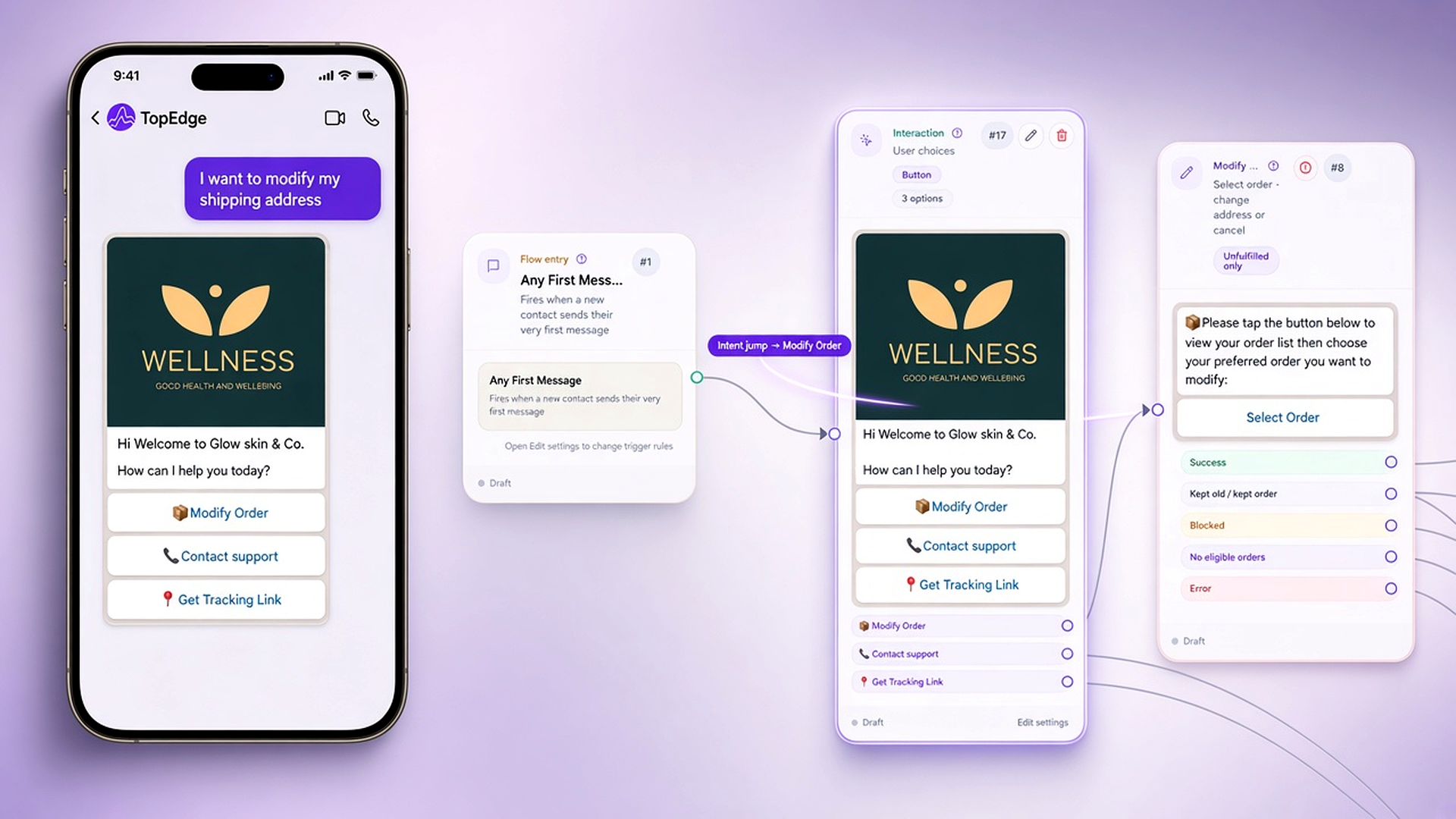
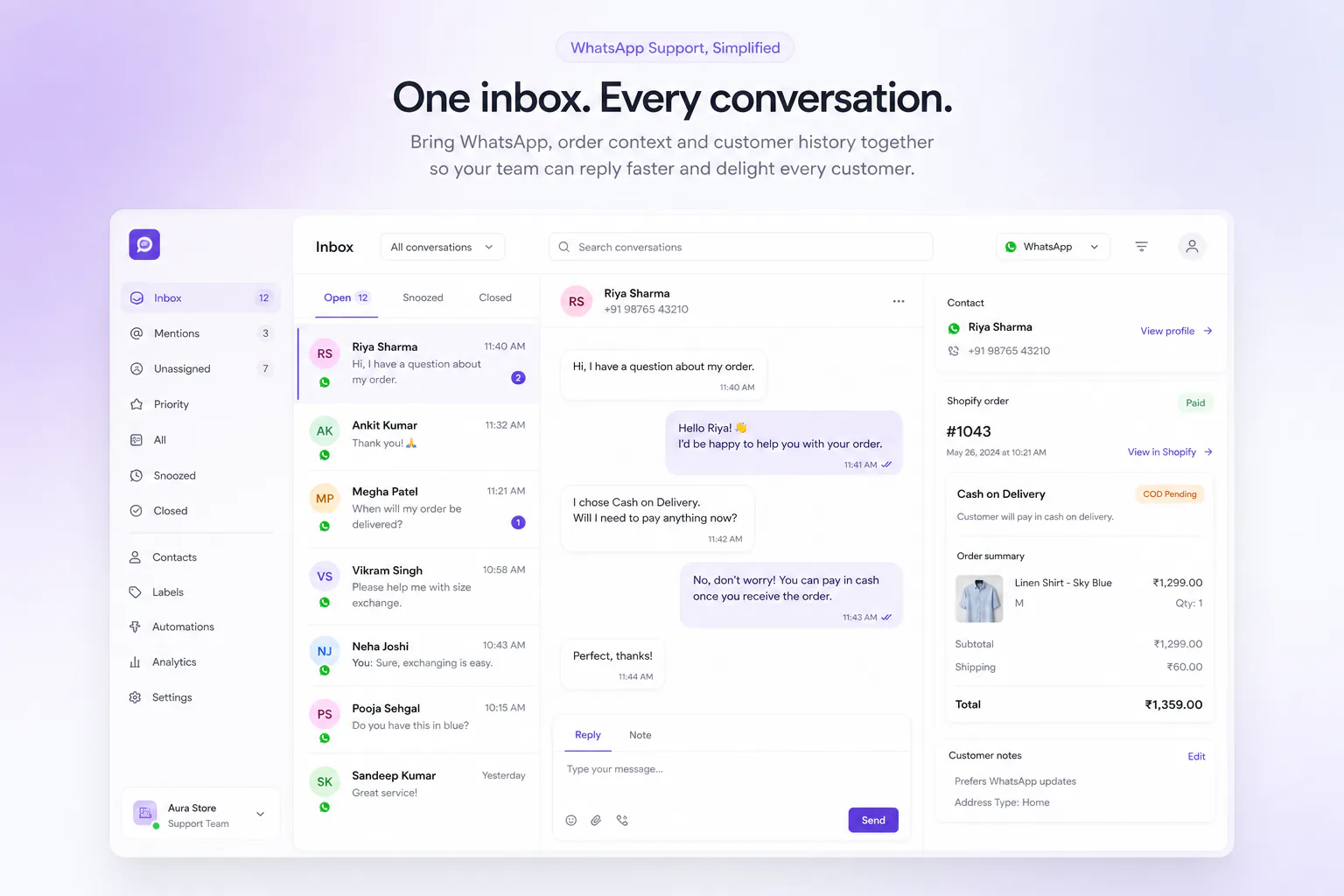
By installing the Topedge AI tracking pixel, you gain deep analytics into visitor activity. You will see exactly which products get the most views and precisely where visitors are dropping off in your funnel. (Product surface: Opt-in tools and Journeys.)
More importantly, TopEdge AI turns lost traffic into automated revenue. Follow-ups are the golden axe to mine more revenue out of your existing market:
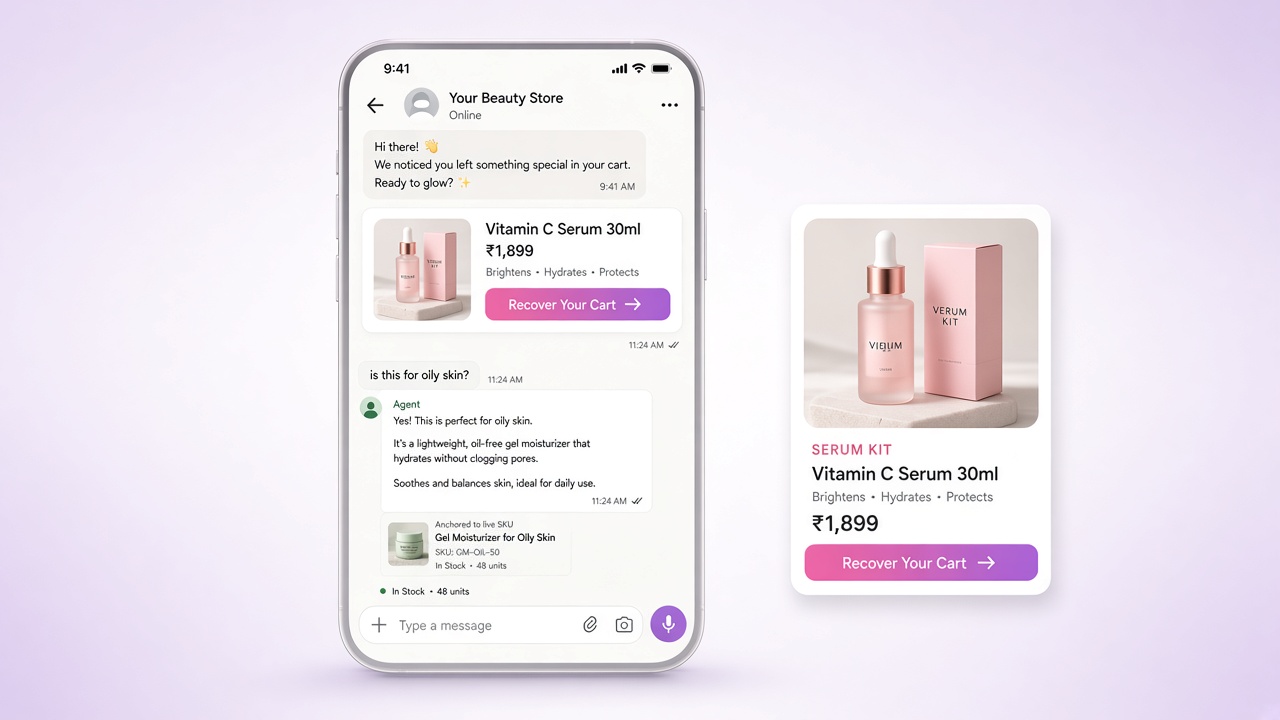
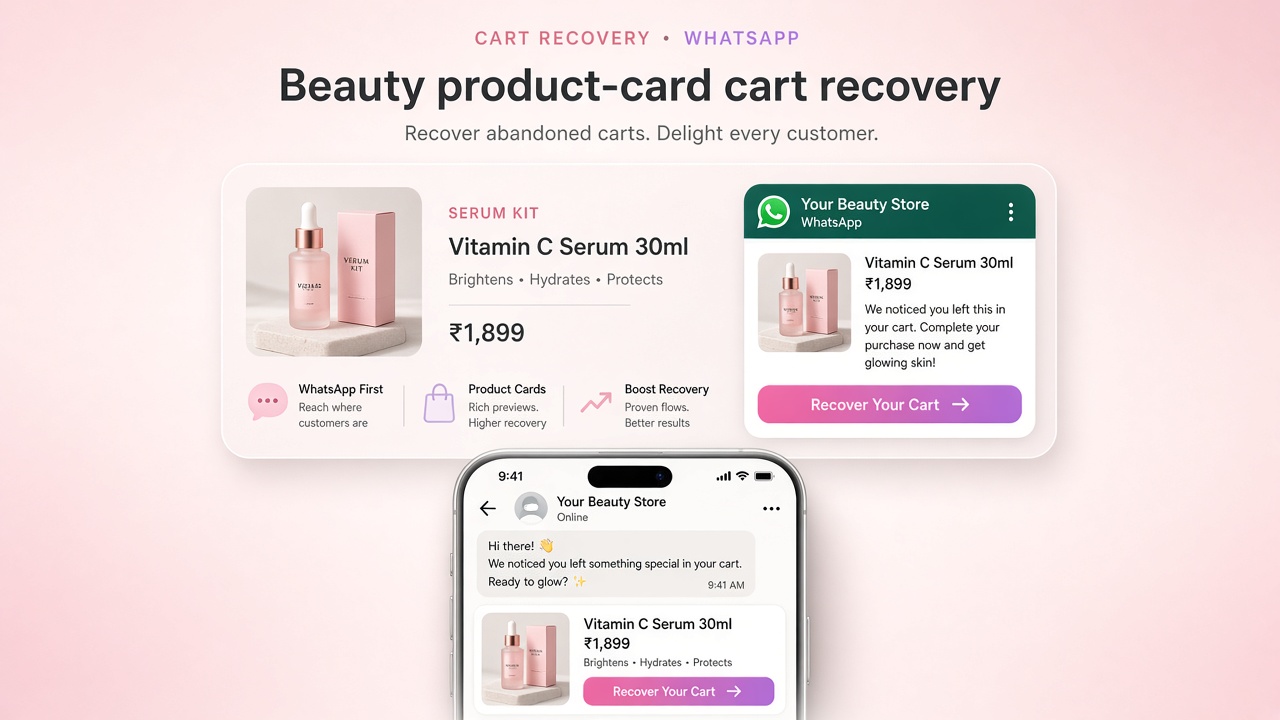
- Abandoned Cart WhatsApp Follow-ups: Design and automate personalized WhatsApp messages to users who left items in their cart, capturing the highest-conversion demographic. Playbook: Shopify abandoned cart recovery with WhatsApp.
- Browser Abandonment Campaigns: TopEdge AI allows you to send dynamic WhatsApp messages featuring the exact image of the product a visitor was looking at before they bounced, offering more personalization flexibility than standard email platforms.
Organic marketing builds the foundation. Paid marketing scales the traffic. TopEdge AI ensures you actually capture the revenue.
Stop renting attention blindly. Build your asset, validate your product, and use intelligent automation to scale.
Fuel for Organic Marketing is Paid Marketing
Organic marketing will keep compounding as long as you stay consistent and keep experimenting with new visual angles and creative hooks. It builds quality brand awareness. People who regularly consume your content become familiar with your brand and are often nearly convinced to buy. They simply need a no-brainer call to action to finally convert into a customer.
This is exactly where paid marketing comes into the frame. Organic marketing builds the rapport and trust with your audience, but paid marketing is what squeezes the actual revenue out of that nurtured attention. Think of paid advertising as the ultimate conversion fuel for your organic engine.
If your brand is not positioned in the luxury or premium tier, you should heavily utilize Sale Offers like Buy One Get One, Black Friday deals, or seasonal festive discounts. The more irresistible and effortless you make the offer for your organically nurtured audience, the higher your order volume will be.
The secret to this strategy is timing. You should push these direct Sale Offer campaigns right after you have built a solid audience that is already generating a steady frequency of organic orders.
High Converting Organic Marketing Campaign types
this are the list of Organic Marketing type you can try list below is accordingly which works most based on real established brand example.
1. Attractive Short-Form Video
Impact: Highest
Why it wins: Algorithmic discovery allows brands with zero followers to reach millions of people overnight. It is currently the most powerful engine for organic product discovery and viral sales.
Tradeoff: High volume required; content fatigue happens quickly.
2. Founder-Led Content (Build in Public / Personal Branding)
Impact: Very High (Conversion & Retention)
Why it wins: People buy from people, not logos. When a founder shares the behind-the-scenes journey, manufacturing struggles, or core values, it builds unmatched brand loyalty and premium pricing power.
Tradeoff: Heavily reliant on the founder’s time, personality, and willingness to be on camera. Hard to scale or transfer if the company is sold.
3. Search Engine Optimization (SEO) & Blogging
Impact: High (Long-Term Compounding)
Why it wins: While social media content dies in 24–48 hours, high-ranking SEO articles and optimized product pages capture high-intent buyers exactly when they are looking to buy. It provides sustainable, free traffic for years.
Tradeoff: Incredibly slow to start. Requires technical upkeep and constant optimization against search algorithm changes.
4. Organic Influencer Seeding & User-Generated Content (UGC)
Impact: High (Social Proof)
Why it wins: Sending free products to micro-influencers in exchange for honest reviews creates authentic social proof. Prospective customers trust peer reviews far more than brand advertisements.
Tradeoff: Low control over the final content; requires significant administrative effort to pitch and manage creators.
5. Community Building (Private Groups, Discord, Broadcast Channels)
Impact: Medium (Lifetime Value & Retention)
Why it wins: Superfans in a dedicated community act as a brand’s organic marketing army. They provide immediate feedback, drive repeat purchases, and defend the brand online.
Tradeoff: Extremely time-consuming to moderate and keep engaged; does not drive high top-of-funnel discovery.
6. Organic Email & SMS Marketing
Impact: Medium (High ROI, but relies on other channels)
Why it wins: You own this audience entirely, free from algorithm changes. Automated flows (abandoned cart, welcome series) convert existing traffic at zero additional cost.
Tradeoff: It is a retention tool, not a discovery tool. You cannot grow an email list organically without traffic from the channels ranked above.
High Converting Paid Marketing Campaign types
this are the list of Paid Marketing type you can try list below is accordingly which works most based on real established brand example.
1. Combo / Bundle Offers
Why it wins: Curated bundle deals ("Buy the Set and Save") are the single highest-leverage tool in performance paid marketing. Instead of cutting prices across the board, bundling forces the customer to spend a higher minimum amount to unlock value, instantly lifting AOV by 15% to 35%.
Paid Ads Performance: Highly effective on visual channels like Meta and TikTok, where showcasing a multi-step routine or complete collection drives superior click-through rates.
The Tradeoff: Requires product synergy; arbitrary combinations won't convert well.
2. Free Gift with Purchase / GWP
Why it's a hidden giant: Human psychology heavily favors getting something completely "free" over receiving a mathematical deduction. Data shows GWP hooks convert 28% higher than a generic price discount of equal financial value. It protects luxury brand equity by keeping the base product at its premium price tier.
Paid Ads Performance: Ideal for landing page optimization. Banners that yell "Free [Bonus Product] with your order today!" significantly reduce cart abandonment.
The Tradeoff: You must absorb the cost of the gifted physical unit and its fulfillment.
3. BOGO (Buy One, Get One) Offers
Why it's a double-edged sword: BOGO is a consumer favorite: over 93% of shoppers have used them. It effortlessly doubles or triples unit volume moving through your warehouse. However, it lands at #3 because it can tank your margins if your manufacturing/supply costs are high, and it risks devaluing the product if run continuously.
Paid Ads Performance: Unbeatable for retargeting campaigns to push "warm" prospects who left items in their carts over the finish line.
The Tradeoff: High risk of cannibalizing organic, single-unit sales.
4. Standard Sale Offers
Why it ranks last: Flat percentage-off or dollar-off sales are easy to set up, but they are the least efficient way to scale a brand. They instantly shrink profit margins, fail to incentivize higher basket sizes, and condition your audience never to pay full price again.
Paid Ads Performance: Best used strictly during major site-wide holiday calendar events (like Black Friday) or as a minor "Welcome Discount" to harvest email leads.
The Tradeoff: High customer acquisition cost (CAC) paired with crippled customer lifetime value (LTV).
Industry click-share and offer-lift figures in this guide (e.g. ~27.6% organic vs ~2.1% paid top result; GWP vs discount; BOGO shopper usage) are cited as research snapshots from the source brief. Re-verify against current SERP studies and your category data before budgeting. This is an operating playbook, not a guarantee of results.
For the organic channel in most detail, see generating organic ecommerce leads from Reels and Shorts — hooks, posting cadence, comment-to-DM capture and how to actually attribute the revenue. If you are still sizing up the unit economics behind either channel, start with profitable ecommerce in India.
Build the asset first, then scale: Journeys · cart recovery · pricing · start free.
Common questions
What is the Asset-First Hybrid Framework for ecommerce?
It is a phased playbook: validate demand with zero ad spend, build baseline revenue through organic and influencer content, then pour paid fuel on proven organic fire, while using automation (like TopEdge AI) to capture revenue from leaky funnels.
How do you validate an ecommerce product with zero ad spend?
Before Meta or Google spend, go to niche communities such as Reddit, join subreddits where ideal customers hang out, and ask whether your product solves a real pain point or only a minor inconvenience. Move to organic traction once demand is validated and the store is built.
Should ecommerce brands choose organic or paid marketing?
Neither alone. Paid is fast but rents attention; organic compounds into an owned asset. Modern brands need both (the Asset-First Hybrid Framework) so organic builds trust and paid squeezes conversion from that nurtured attention.
When should you turn on paid ads for a D2C brand?
Once you see a consistent frequency of organic orders and the product is proven. Start with Meta Awareness Campaigns paired with influencer content, then introduce Sale Offer Campaigns at the bottom of the funnel to capture demand.
How does TopEdge AI help fix leaky ecommerce funnels?
The TopEdge AI tracking pixel shows product views and drop-offs. Abandoned cart WhatsApp follow-ups and browser abandonment campaigns with the exact product image turn lost traffic into automated revenue, so organic and paid traffic actually convert.
What organic marketing types convert best for ecommerce?
By impact in this playbook: attractive short-form video (highest), founder-led content, SEO and blogging, organic influencer seeding and UGC, community building, then organic email and SMS as retention tools.
What paid offer types convert best for ecommerce?
Combo/bundle offers rank highest for AOV lift, then free gift with purchase (GWP), then BOGO, with flat standard sale offers ranked last for efficiency outside major calendar events.