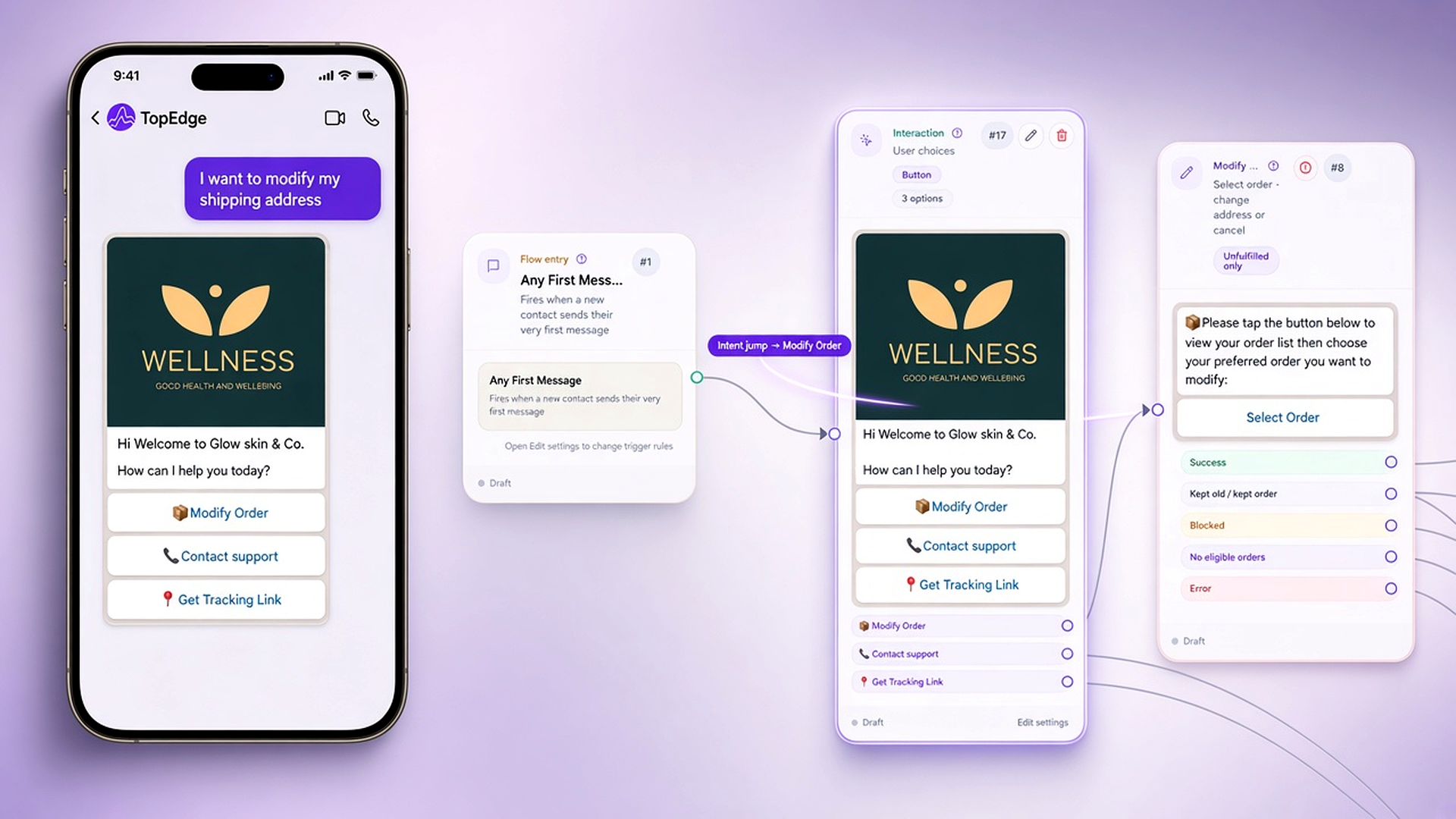
How to Run a Profitable Ecommerce Business in India
What ecommerce profit margins in India actually look like in 2026, what it costs to start, and how to protect margin against RTO, CAC and shipping.
Direct answer
A profitable ecommerce business in India is built by knowing the full cost of each order before scaling, not after. Add product cost, shipping, payment gateway fees, platform fees, ad spend and the cost of returned orders. What is left is real profit per order. For a well-run D2C brand, 15 to 25 percent net margin is healthy. The three biggest margin killers in India are RTO on COD orders, customer acquisition cost that is too high for the order value, and heavy discounting.
A lot of people who start selling online in India focus on one thing: getting sales. Sales feel good. But sales and profit are two different things, and confusing them is one of the most common reasons online businesses close within their first year.
You can do ₹10 lakh in revenue a month and still lose money. This happens more often than people admit. Once you add product cost, shipping, returns, ads and platform fees, many sellers are left with almost nothing.
What makes an ecommerce business profitable in India?
Profitability comes down to understanding what each order really costs you. Not just the product cost. Every single thing that touches that order has a price.
| Cost line | What it typically looks like in India |
|---|---|
| Product cost | What you paid to make or source the unit. |
| Forward shipping | Commonly ₹50 to ₹120 per 500g, depending on courier and distance. |
| Payment gateway | Roughly 1.5 to 2 percent of the transaction on prepaid orders. |
| Platform and apps | Monthly store subscription plus the apps you bolt onto it. |
| Customer acquisition | Whatever you paid in ads or content to get that buyer. |
| Returns and RTO | The expensive one. A returned order means you paid shipping twice and earned nothing. |
Once you add all of that up, what is left is your actual profit per order. This number determines whether your business is real or just busy. Profitable sellers in India calculate it before they scale.
D2C brand vs marketplace seller vs dropshipping: which model works in India?
Before you spend a rupee, pick a model. The three options look similar from outside and are very different businesses.
| Model | What you get | What you give up |
|---|---|---|
| Marketplace Amazon, Flipkart, Meesho |
Buyers on day one. No audience building needed to get first orders. | You rent traffic. Category commissions can reach 40 percent on some Amazon categories. No customer contact details. One algorithm change can halve your sales. |
| D2C store Your own website |
You control price, experience, data and the customer relationship. You get the phone number, email and order history. | You drive all your own traffic. Early months cost more per sale. |
| Dropshipping | Almost no inventory risk. | Long delivery times on international sourcing, which Indian buyers no longer accept. Thin margins on domestic sourcing. |
Dropshipping in India has a structural problem most guides ignore. Sourcing from overseas suppliers after the order is placed means 12 to 15 day delivery in many cases. Indian buyers are used to two to four days. Long delivery windows produce cancellations, returns and bad reviews.
If you want a real business, go D2C. Use a marketplace as an extra channel once your product is validated. Treat dropshipping as a product testing method at best.
How to find a winning product to sell online in India
Product selection is where most ecommerce journeys succeed or fail. The usual advice, "find a trending product", is not useful. Trends move faster than you can source inventory, build a store and run a first ad. What you want is a product with steady existing demand that you can serve better than what is out there.
Start with a specific person, not a product
Sellers who do well in India are almost never selling to everyone. A working woman in her 30s in a Tier 2 city who wants affordable ethnic wear she can wear to the office. A fitness-focused man in his 20s who wants clean supplements without imported-brand pricing. A home baker who needs good baking tools not priced for commercial kitchens.
When you are specific about who you are selling to, the product almost picks itself, and your marketing gets easier because you are talking to one person.
Use real demand signals
Dig into Amazon and Flipkart bestseller lists at the sub-subcategory level, not the top categories. Those show what buyers are actually purchasing, not what is being advertised. Use Google Keyword Planner to check monthly search volume in India. A product with 10,000 to 50,000 monthly searches and no dominant competitor is a real opportunity. Meesho's trending catalogue tells you what Tier 2 and Tier 3 India buys at volume.
Validate before you buy inventory
Do not order 500 units on a good feeling. Run a small Meta campaign, around ₹3,000 to ₹5,000, to a basic product page. Clicks, add-to-carts or enquiry messages are real signals. If nothing happens after ₹5,000 of spend, move on. This kind of cheap validation has saved many sellers lakhs in dead inventory.
What a good product looks like
- Gross margin above 40 to 50 percent after all costs. Below that, ads and returns will eat everything.
- Solves a clear problem or has strong emotional appeal. Novelty products rarely build repeat buyers.
- Not dominated by large funded brands on the first page of Google and Amazon.
- Repeat purchase potential. You only pay to acquire the customer once.
Shopify, WooCommerce, or Indian marketplaces?
| Platform | Best for | Watch out for |
|---|---|---|
| Shopify | Proper D2C brands that want a clean, fast store without technical work. Works with Razorpay, PayU and Cashfree, and with Shiprocket and Delhivery for shipping. | Subscription plus apps. Budget for both from day one, not just the base plan. Check current plan pricing before you model it. |
| WooCommerce | Sellers with technical ability or a developer partner who want maximum control and potentially lower long-term cost. | "Free" plugin, paid everything else: hosting, domain, plugins. Needs someone to call when it breaks. |
| Marketplaces | Testing a product quickly with no marketing spend. Flipkart is strong in Tier 2 and 3; Meesho is price-driven. | Category commissions, no customer data, and private-label competition from the platform itself. |
The approach that works for most: launch your own store as the primary channel, list on one marketplace in parallel for volume and validation, and manage them separately. Your store builds long-term value. The marketplace is extra traffic.
Ecommerce profit margins in India by category
Margin is the only number that matters once you are running. Revenue looks good in screenshots. Margin keeps the business alive. Gross margin — revenue minus product cost — varies a lot by category.
| Category | Typical gross margin | The catch |
|---|---|---|
| Fashion and clothing | 50 to 70 percent | RTO can reach 30 to 40 percent and eats that margin fast. |
| Beauty and skincare | 50 to 65 percent | Lower returns, higher repeat rate. One of the better D2C categories. |
| Electronics accessories | 30 to 50 percent | Very price-sensitive, and cheap imports can undercut you overnight. |
| Health supplements | 60 to 75 percent | Excellent repeat rates, but FSSAI compliance takes time and money. |
| Home and kitchen | 40 to 60 percent | Growing demand, but heavier items push up shipping per order. |
Net margin is what you actually take home
Gross margin is not profit. After shipping, customer acquisition cost, payment gateway fees, platform fees and returns, what is left is net margin. For a well-run D2C brand in India, 15 to 25 percent net margin is a healthy place to be. Below 10 percent, something in your cost structure is not working. Below 5 percent, you are running a logistics operation for free.
What kills margins for most Indian sellers
- Acquisition cost out of line with order value. Spending ₹400 in ads to sell a ₹600 product leaves nothing after product and shipping. Fix it by raising average order value with bundles, or by lowering acquisition cost with better targeting and organic content.
- RTO on COD orders. A returned order costs forward shipping, return shipping, packing and repacking, and earns zero.
- Heavy discounting. It trains buyers to wait for deals, makes the brand feel cheap and shrinks margin permanently. Good Indian brands compete on experience and trust, not on who is cheapest this week.
How to actually improve your margins
- Bundle to raise order value. A ₹499 product and a ₹799 bundle cost the same to ship.
- Convert COD to prepaid before dispatch. Even a small cashback converts a share of COD orders and removes the return risk on each one entirely.
- Negotiate courier rates once you are shipping 500+ parcels a month. Saving ₹15 to ₹20 per shipment at that scale is real money over a year.
- Invest in repeat purchase. Your first order from a customer often just breaks even after ad spend. The second and third have no acquisition cost attached.
If you want to see this per product rather than in aggregate, TopEdge's profit and costs view computes net margin after cost of goods, shipping, RTO and payment fees.
How to reduce RTO and COD losses
If you sell in India, RTO will be one of the first real problems you face. Return to Origin means an order went out, never got delivered and came back. You paid shipping both ways and got nothing.
In fashion and lifestyle, RTO rates commonly sit between 25 and 45 percent. Even at 20 percent the losses add up quickly. It happens because of wrong addresses, failed delivery attempts, changed minds, and — in many COD cases — orders placed without serious intent, because there was nothing to lose by refusing at the door.
This does not mean stop offering COD. COD still drives a large share of Indian ecommerce orders, especially in Tier 2 and Tier 3 cities. Removing it costs real sales. The goal is reducing the risk that comes with it.
How to bring your RTO rate down
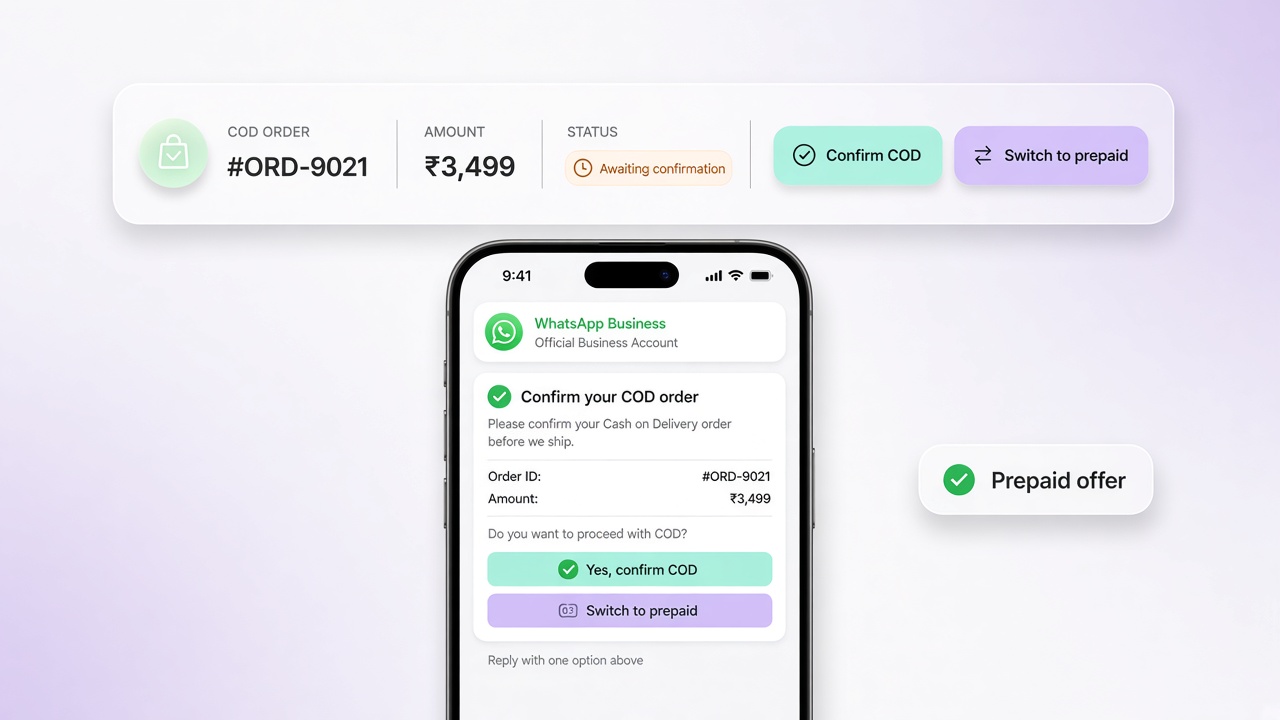
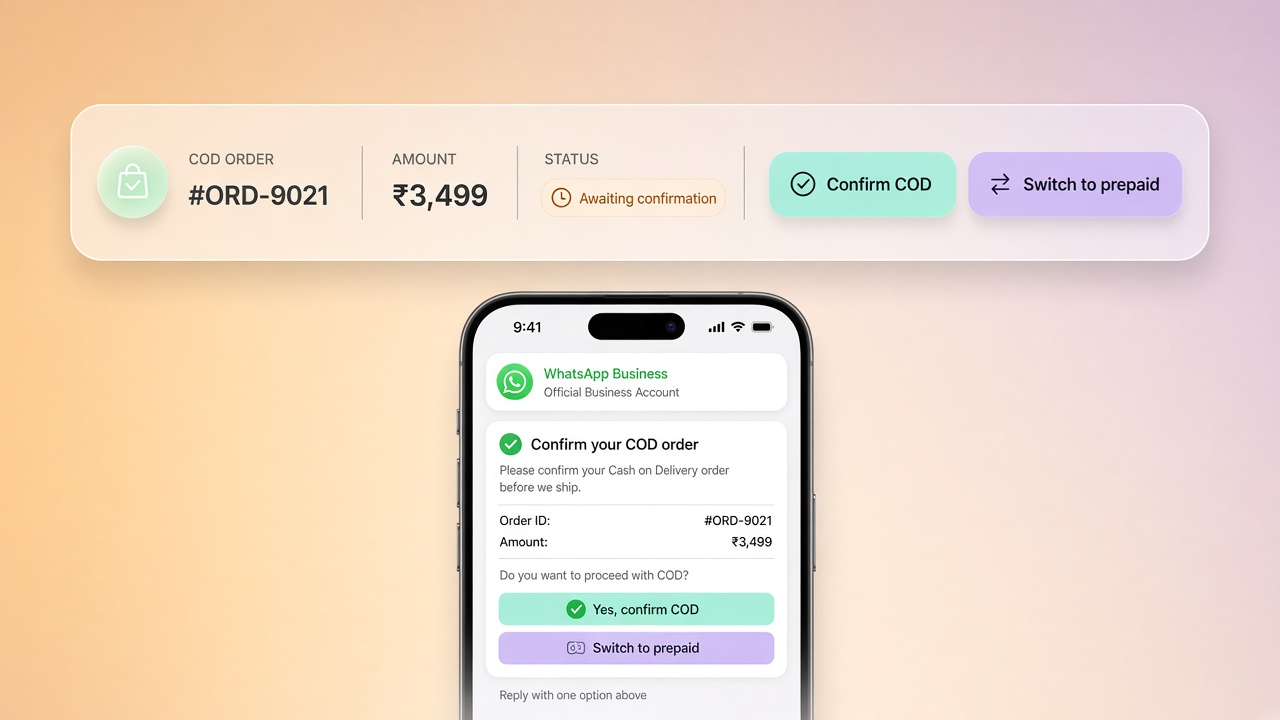
- Confirm before dispatch. Send a WhatsApp message with order details, address and delivery window, and ask for a one-tap confirmation. This removes a large share of wrong-address and changed-mind cancellations because the customer has to engage with the order.
- Work your NDRs the same day. When a courier fails a delivery they raise a Non Delivery Report. Most sellers ignore them. Call or message the customer that day, reschedule and reconfirm the address. Many NDR orders are recoverable before they become full RTOs.
- Offer a prepaid switch. Before dispatch, offer COD customers a small incentive to pay now. Every conversion removes the return risk on that order completely.
- Call on high-value COD orders. A 30-second confirmation call on a ₹1,200 order eliminates an expensive return.
Reducing RTO by even eight to ten percentage points can improve monthly profitability more than doubling ad spend would. For the mechanics, see how to reduce RTO with WhatsApp COD confirmation and the COD and RTO benchmarks for India.
Ecommerce marketing in India: channels that drive sales in 2026
| Channel | Where it fits |
|---|---|
| Meta ads | Still the dominant paid channel for Indian D2C. Unmatched targeting detail. CPMs have risen, so returns now depend on creative quality and a product page that converts. Start at ₹300 to ₹500 a day, test two or three creatives, and do not scale until cost per purchase is acceptable. |
| Google Shopping and Search | Best where buyers already know what they want. Someone searching "buy protein powder online india" has strong intent, often capturable below Meta cost. |
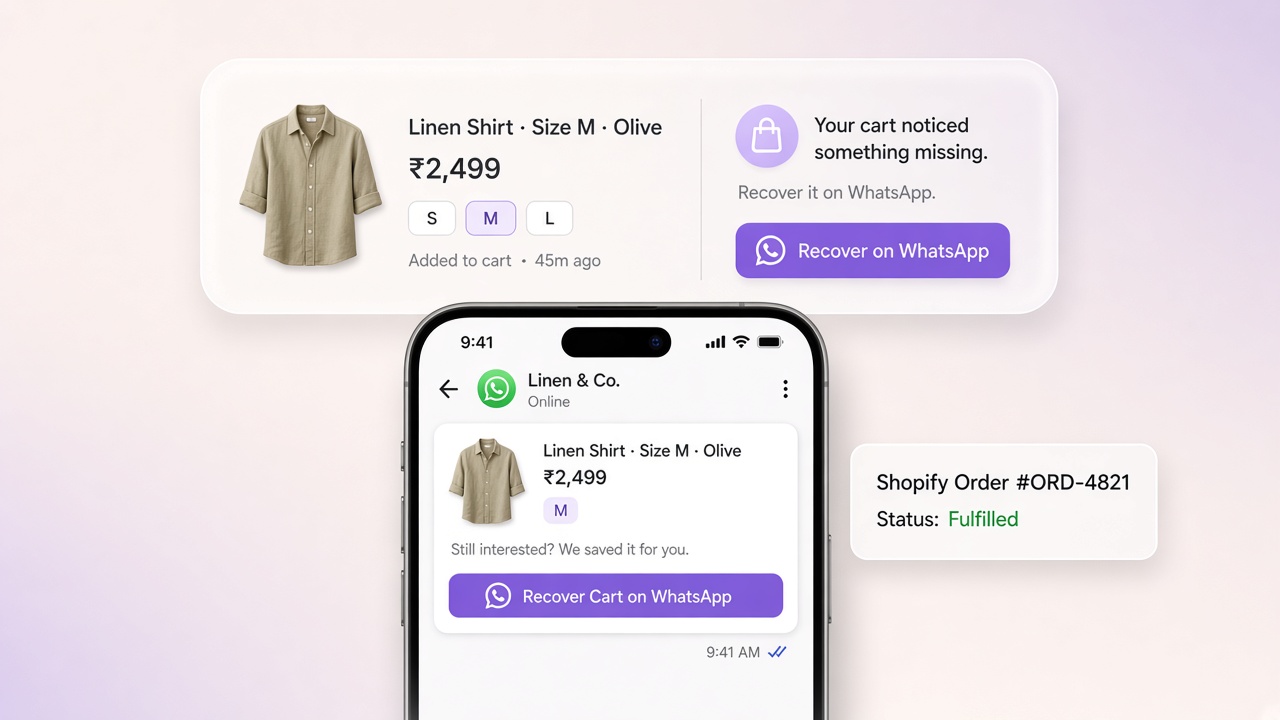
| The most underused channel in Indian ecommerce. Most sellers use it only for order updates. The ones using it well send cart reminders, post-purchase follow-ups and restock alerts to customers who already bought. Read rates far exceed email, at a fraction of ad cost. Only message people who opted in. | |
| Instagram content | A legitimate growth channel for fashion, beauty, food and fitness over six to twelve months of consistent posting. What works is specific, useful content, not polished brand ads. |
| Micro-influencers | Creators with 10,000 to 100,000 followers in a defined niche usually outperform large accounts. Pay for audience match, not follower count. Start with product gifting to 10 to 20 creators, then build paid partnerships with the ones that drove traffic. |
For the organic side specifically, see generating organic ecommerce leads from Reels and Shorts and the broader organic versus paid comparison.
Managing shipping and logistics without burning margin
Shipping feels small per order and becomes significant over a month. Most couriers in India price on the higher of actual weight and volumetric weight, calculated as length × width × height ÷ 5,000. A light but bulky product like a cushion or a shoe box can cost far more to ship than its weight suggests. Always calculate both before setting prices.
Rates also vary by zone. Within-city is cheapest; cross-zone shipments cost more. Most small and mid-size sellers use an aggregator such as Shiprocket, Pickrr or NimbusPost to access multiple couriers through one dashboard. Going direct becomes worthwhile once volumes support a negotiated rate, usually from around 500 parcels a month.
Packaging is the cost people forget. Spending ₹40 on packaging for a ₹400 product is 10 percent of revenue before anything else is paid. Clean, minimal packaging that protects the product is enough to start; invest in branded packaging when volumes justify bulk pricing.
Track two numbers: average shipping cost per order, and RTO rate by courier. Couriers perform differently by region. If one consistently fails deliveries in a particular state, stop using them there.
How much does it cost to start an ecommerce business in India?
| Item | Realistic range |
|---|---|
| Initial inventory (100 units at ₹200–400 each) | ₹20,000 – ₹40,000 |
| Store setup (subscription, domain, theme, apps — first month) | ₹5,000 – ₹8,000 |
| Product photography | ₹3,000 – ₹10,000 |
| Packaging (first 100 orders) | ₹3,000 – ₹8,000 |
| Initial ad testing | ₹10,000 – ₹15,000 |
| Registration (Pvt Ltd via CA; GST registration is free online) | ₹8,000 – ₹15,000 |
| Realistic launch minimum | ₹50,000 – ₹80,000 |
You can start leaner by skipping paid photography and ordering less inventory, but below roughly ₹30,000 to ₹35,000 you are cutting corners that will show in your results.
The more important number is runway. Most ecommerce businesses take two to three months to find their footing. Cutting the budget before that point is the most common reason early-stage sellers give up.
Mistakes that kill new ecommerce businesses in India
- Scaling before validating. First 20 orders arrive, ad spend goes up, more inventory is ordered — then it turns out the early sales were luck. Get to 100 orders, check return rate, repeat rate and real margin, then scale.
- Ignoring unit economics. Pricing on feel rather than on calculated cost per order. If the math does not work at your target price, fix it before launch.
- Weak product pages. Good ads sending traffic to a page that does not convert wastes every rupee. Your page should answer every buyer question before it is asked.
- No retention plan. Spending the entire budget on acquisition and nothing on bringing customers back. A delivery confirmation, a check-in three days later and a relevant recommendation two weeks on cost almost nothing and change whether a one-time buyer returns.
- Wrong category for your budget. Entering a category owned by well-funded brands with ₹50,000 is a hard start. A niche within a category gives you early traction, which is what builds cash flow and data.
- Tracking revenue only. Revenue tells you almost nothing about health.
The numbers to watch every week
- Cost per order, fully loaded
- Net margin per order
- RTO rate, overall and by courier
- Repeat purchase rate
- Customer acquisition cost
Watch these consistently and problems surface early, while fixes are still cheap.
Next steps: set up COD confirmation and cart recovery journeys, measure your real margin after RTO, read the COD confirmation setup guide, or start free on your Shopify store.
Common questions
What is a good profit margin for an ecommerce business in India?
For a well-run D2C brand in India, 15 to 25 percent net margin is a healthy range. Below 10 percent usually means something structural is wrong in pricing, acquisition cost or returns. Gross margin is different and much higher — typically 40 to 70 percent depending on category — but gross margin is not profit.
How much does it cost to start an ecommerce business in India?
A realistic minimum to launch a small D2C brand is roughly ₹50,000 to ₹80,000, covering initial inventory, store setup, basic packaging, product photos and a first round of ad testing. The more important number is runway: budget to operate for three to four months without expecting profit.
Is dropshipping profitable in India in 2026?
Rarely as a long-term model. International dropshipping means 12 to 15 day delivery in many cases, and Indian buyers now expect two to four days, which drives cancellations and returns. Domestic dropshipping is better but margins are thin and the same products are often on Meesho for less. Treat it as a product testing method, not a business.
Should I start on a marketplace or build my own D2C store?
Marketplaces give you buyers on day one but you rent the traffic, pay a category commission and never get customer contact details. A D2C store costs more per sale early but every rupee builds an asset you own. The common pattern that works is a D2C store as the primary channel with one marketplace in parallel for volume and validation.
How do I reduce RTO on COD orders?
Confirm the order on WhatsApp before dispatch and ask for a one-tap reply, work non-delivery reports the same day they are raised, and offer a small incentive to switch COD orders to prepaid. Reducing RTO by eight to ten percentage points often improves monthly profit more than doubling ad spend.
Why is my ecommerce business making revenue but no profit?
Almost always because cost per order is not being calculated in full. Product cost, shipping, payment gateway fees, platform fees, ad spend and the cost of returned orders all have to come out before you see real profit. A store doing ₹10 lakh a month can lose money once RTO and CAC are counted honestly.