WhatsApp vs Email Automation for D2C India
Compare WhatsApp ecommerce automation vs email for cart recovery, order updates, and campaigns: when to use each channel on Shopify in India.
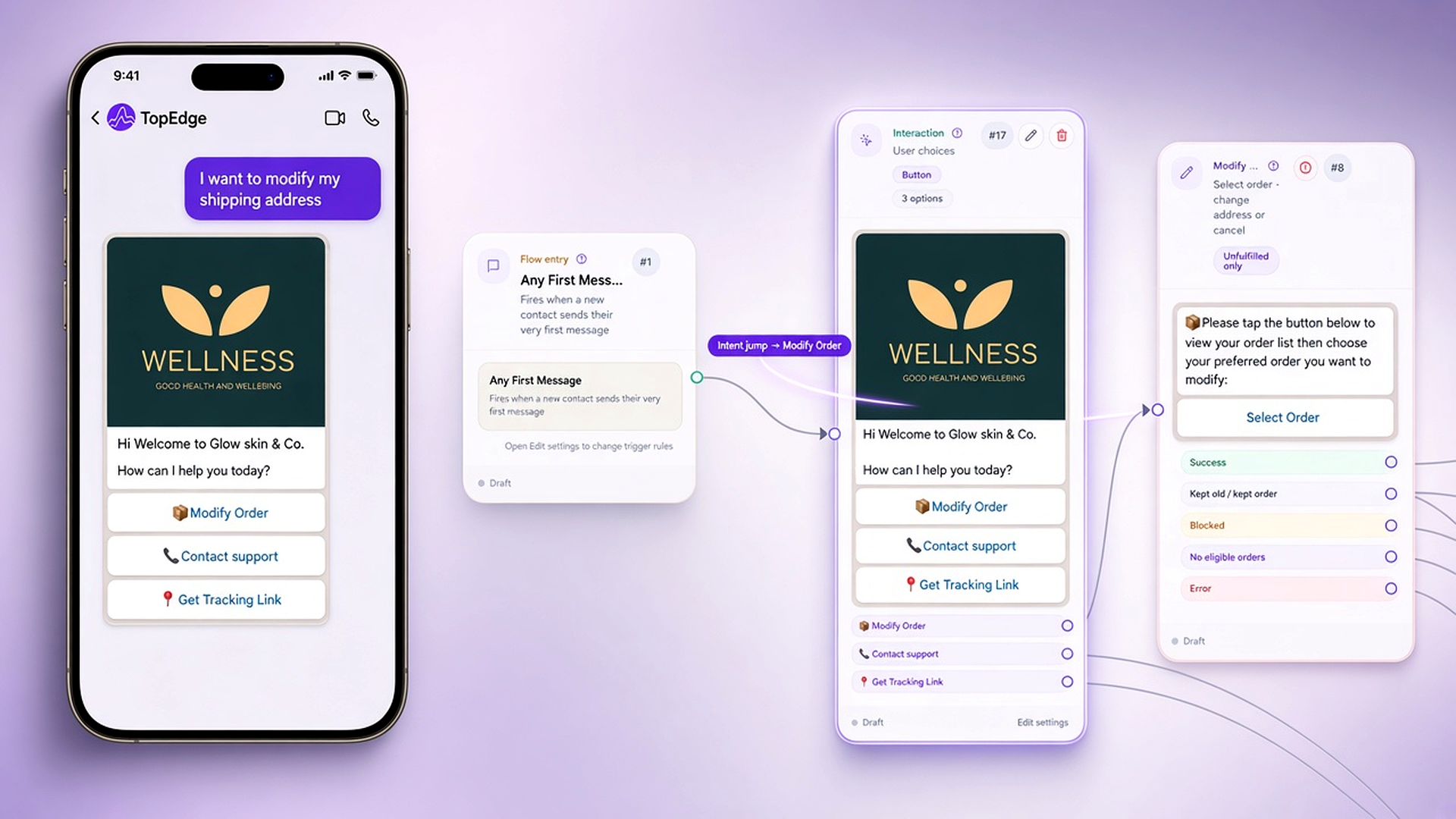
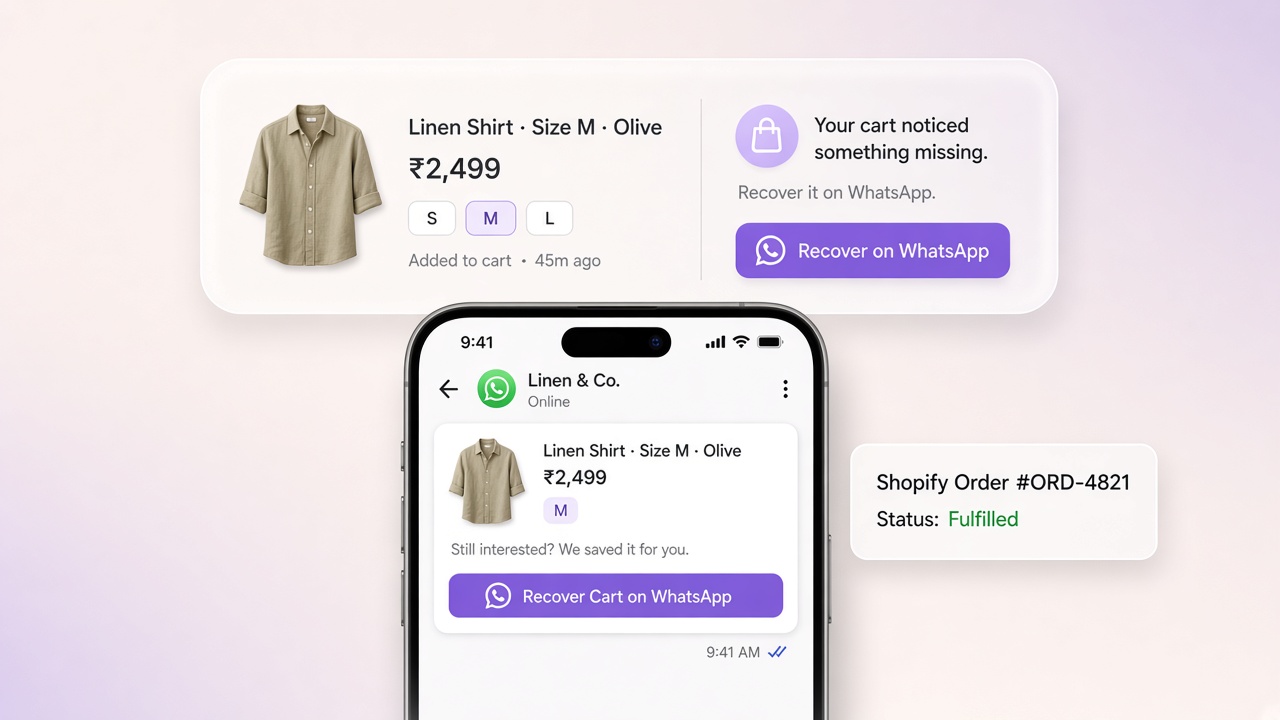
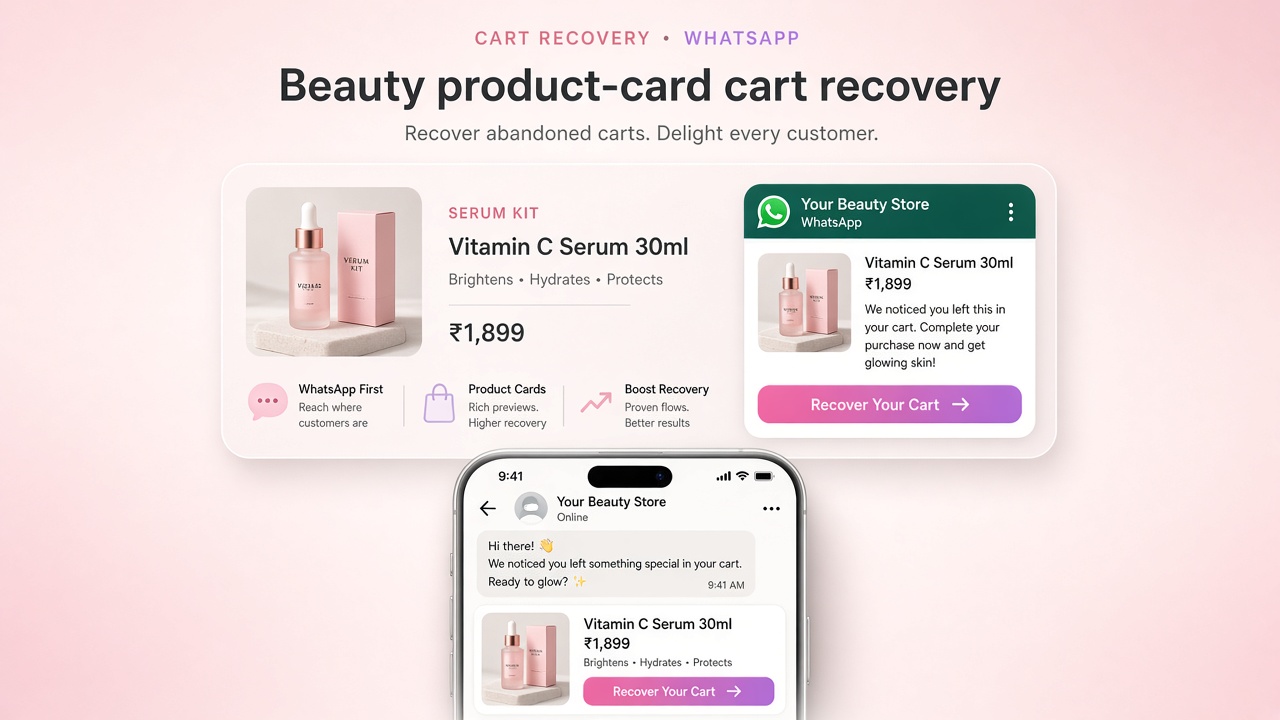
Email is still useful for long-form storytelling and international buyers. For Indian D2C, WhatsApp ecommerce automation usually wins speed-to-reply, abandoned cart recovery, and COD conversations, because that is where shoppers already live.
Use WhatsApp when speed and reply matter
- Carts abandoned within the hour
- Buyers need COD clarity before you ship
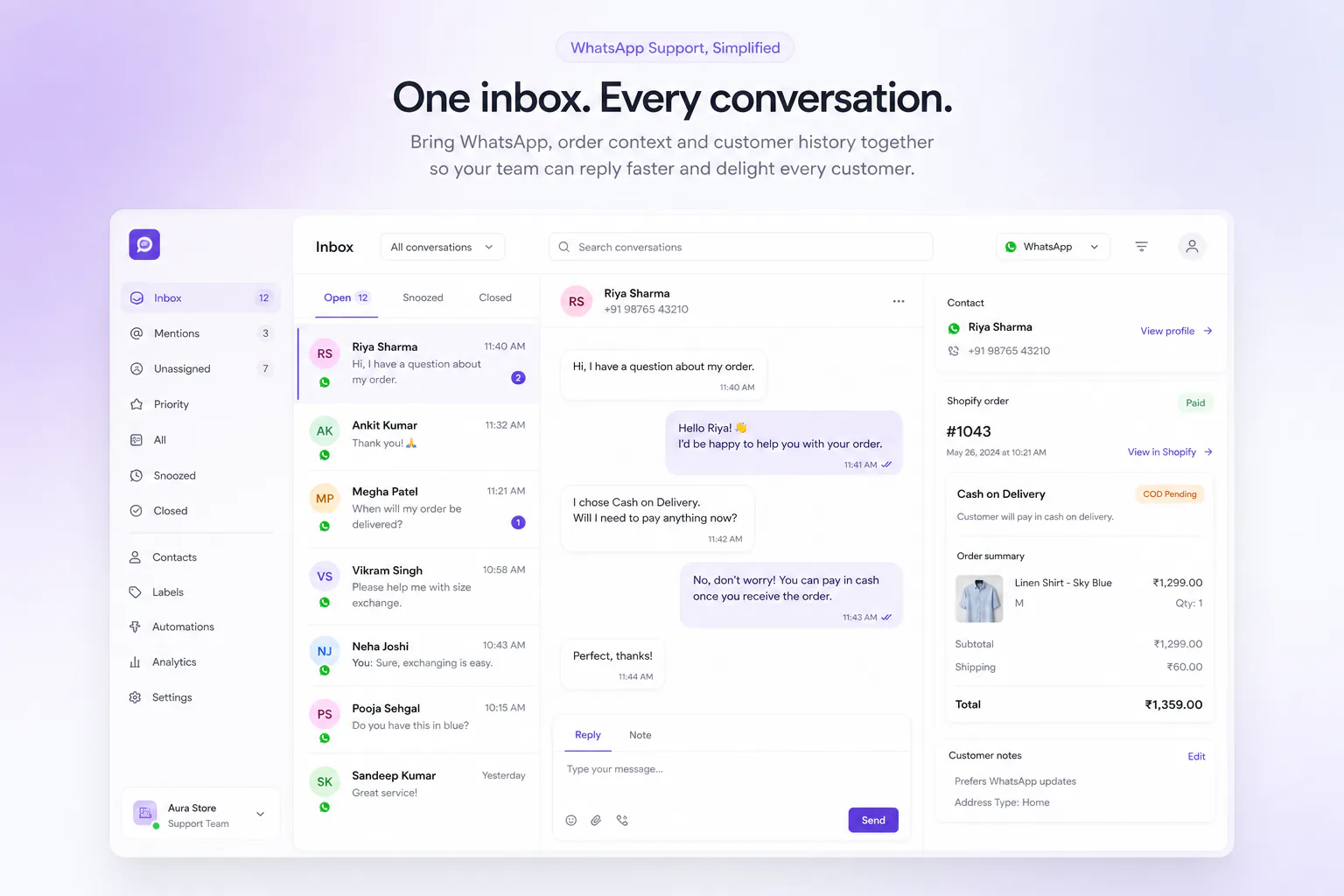
- Support needs order context in-thread
- Delivery updates that should feel immediate
These flows belong in Journeys with humans available in Live Chat.
Keep email when depth and archive matter
- Brand storytelling, lookbooks, and long educational sequences
- International customers who prefer email
- Periods when WhatsApp marketing template capacity or quality rating is constrained
- Legal or lengthy policy communications that benefit from a permanent inbox record
Channel roles for a healthy Shopify stack
Best stacks run both channels with Shopify as the source of truth:
- WhatsApp is for conversion and service: carts, COD, shipping, quick Q&A
- Email is for nurture and narrative: weekly stories, detailed guides, win-backs for soft engagers
- Shared identity: same customer, same order history, no contradictory offers
If WhatsApp says “20% off today” and email said “no discounts this week,” you trained distrust, not a funnel.
Cost and compliance realities in India
WhatsApp conversation categories (utility, marketing, service) have different Meta rates and rules. Email looks “free” until you count deliverability tooling and list fatigue. Model both: Meta pass-through costs on high-volume utility vs. the revenue protected by lower RTO and faster cart recovery. Transparent footnotes on pricing help finance forecast.
A practical split for the first 90 days
Days 1–30: Put cart + COD + shipping on WhatsApp; keep email for newsletters only.
Days 31–60: Add email win-back for carts that never opted into WhatsApp marketing, or failed delivery.
Days 61–90: Align offers and suppression lists so channels reinforce each other.
For definitions, see what ecommerce automation means on Shopify WhatsApp. For tool choice, read best WhatsApp automation tools for Shopify India.
Both channels sit inside a larger automation stack. How to automate your ecommerce store in India covers the other layers: order processing, inventory, support and API sync.
Map your stack with integrations, compare options on compare, and dig into vs WATI if you are evaluating inbox-first tools. Start a conversation via contact.
Common questions
Is WhatsApp or email better for ecommerce automation in India?
Neither replaces the other. WhatsApp wins where speed and a reply matter — order confirmations, COD checks, cart nudges — because read rates in India are far above email and the customer can answer in the same thread. Email wins where depth, layout and an archive matter: invoices, long policy explanations, newsletters and rich product roundups.
Should I send the same message on both WhatsApp and email?
No. Duplicating the same reminder on both channels within minutes is the fastest way to annoy a customer into opting out of both. Sequence them instead: WhatsApp first, email only if there is no response after a few hours, with shared suppression so a completed order stops everything.
Does email still work for Indian D2C brands?
Yes, but as one part of a multi-channel sequence rather than the primary channel. Indian open rates are lower than Western benchmarks because customers live in messaging apps. Email remains the right place for anything that needs a layout, a record, or more words than a chat message can carry.
Which channel is cheaper to run?
Email has no per-message platform fee, so at high volume it is cheaper per send. WhatsApp carries a per-conversation charge set by Meta, which makes targeting matter much more. The honest comparison is cost per recovered order, not cost per send — WhatsApp often wins on that basis despite the higher unit cost.